

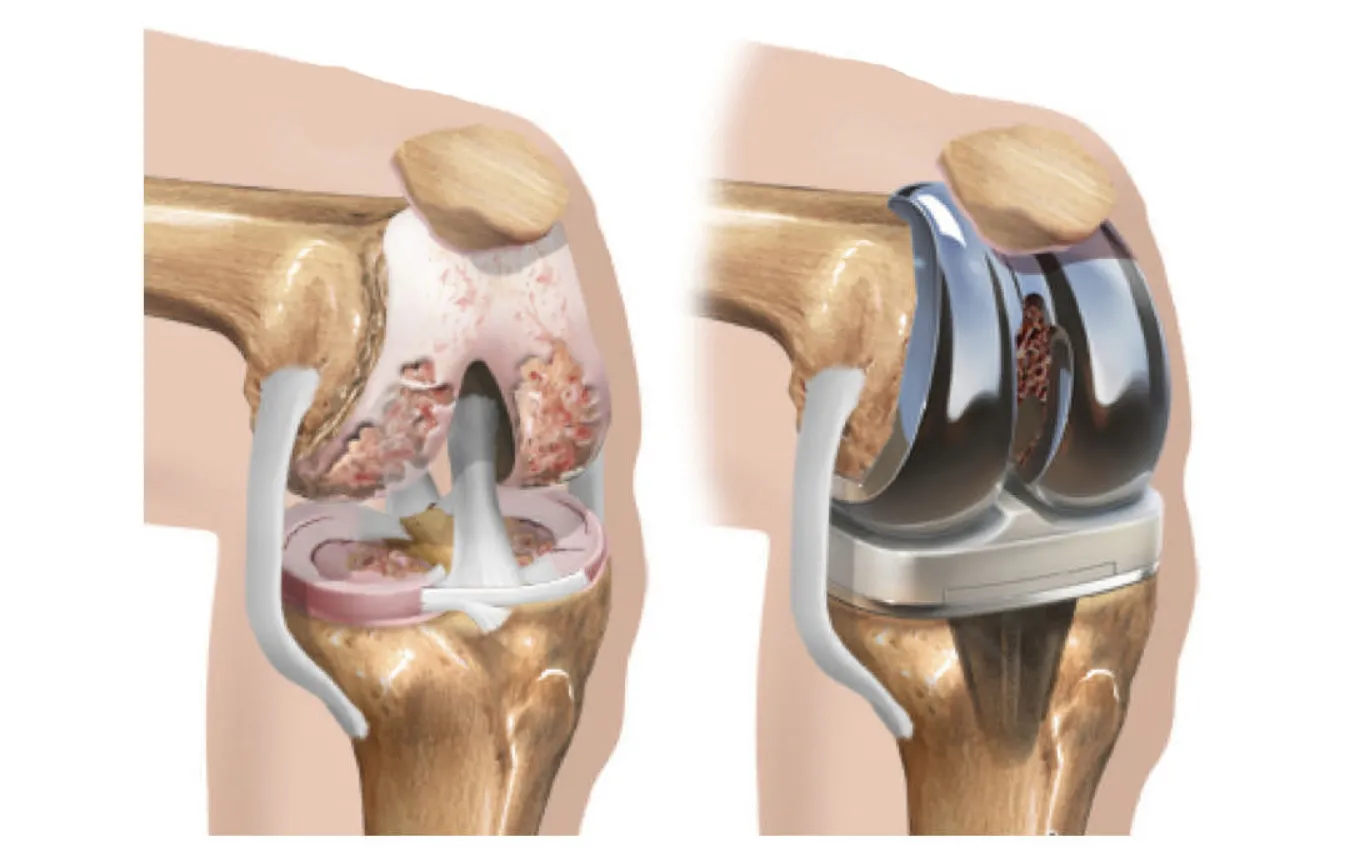
Recovery from a knee replacement procedure is a structured, closely monitored process. After surgery, a coordinated plan is used to assess the extent of knee healing, functional improvement, and the need for care adjustments. Unlike a single test that signals recovery, tracking progress involves multiple indicators over time. Clinicians and care teams gather data from physical measures, patient feedback, activity trends, and objective metrics to build a detailed picture of recovery. We will explore how these varied tracking methods work together to guide decisions and support safer, more effective rehabilitation.
Recovery Milestones and Monitoring Methods
- Range of Motion Measurements
One of the most fundamental markers of recovery is the extent to which the knee can bend and straighten over time. Range of motion (ROM) assessments are performed regularly in clinical settings, typically starting in the early postoperative phase and continuing through outpatient rehabilitation. Tools such as goniometers and wearable motion sensors are used to quantify knee flexion and extension angles. These measurements are compared with expected benchmarks to assess improvement, with incremental increases in degrees of motion considered positive progress.
In research and some advanced care settings, triaxial accelerometers and gyroscopes integrated into wearable devices can collect detailed motion data remotely, enabling continuous tracking without frequent in-person visits. Such technology has demonstrated the ability to accurately capture motion patterns, providing data on the maximum knee flexion angle, the number of movement repetitions, and the duration of practice sessions, all of which contribute to personalized rehabilitation insights.
- Gait and Walking Patterns
Monitoring how a person walks after knee replacement provides valuable information about functional recovery. Knee replacement specialists in Houston use gait assessments to evaluate stride length, walking speed, cadence (steps per minute), and leg symmetry. Wearable sensors worn on the thigh or lower leg can collect gait data continuously, even outside clinical environments, allowing practitioners to see trends in walking ability over days and weeks. Changes in these gait parameters typically correlate with improved knee function and confidence in weight‑bearing activity. Studies using accelerometers have shown that metrics such as stride regularity and power of motion frequencies can reflect recovery trends, approaching preoperative baselines over time. This continuous data stream provides a more comprehensive view of mobility than isolated clinical evaluations, helping clinicians adjust rehabilitation protocols as needed.
- Activity Levels and Daily Steps
Tracking activity levels complements formal measures of motion and gait. Many recovery plans now incorporate daily step counts and overall activity metrics tracked via mobile technologies or fitness trackers. Recording daily steps, time spent walking, and periods of inactivity allows the care team to quantify how much a patient is moving compared to their preoperative status. In research settings, high completion rates for step data collection indicate that patients often make the most progress within the first two months after surgery, with mobile apps enabling frequent data capture. These data help determine whether the recovery follows expected patterns or whether additional intervention is needed when activity levels plateau prematurely.
- Pain and Patient-Reported Outcomes
Objective data on movement and activity need to be paired with subjective experience, because pain levels and perceived functional ability significantly influence recovery. Patient‑reported outcome measures (PROMs) are standardized questionnaires that patients complete regularly, often through mobile apps or secure online portals. These instruments track pain intensity, stiffness, ability to perform daily tasks, and quality of life. Combining PROMs with objective data helps clinicians distinguish functional limitations attributable to residual pain from those attributable to mechanical or strength deficits. For example, a patient might show good gait mechanics but still report pain that limits activity; such information can prompt changes in pain management, physical therapy techniques, or other support services.
- Functional Testing in Clinical Visits
In addition to continuous monitoring technologies, formal functional testing remains an important checkpoint in the recovery process. During scheduled clinic appointments, professionals administer standardized tests, including timed walking distance, stair negotiation, sit-to-stand, and balance assessments. These tests are observed and scored to provide a snapshot of performance at specific points in time. Functional tests are also opportunities to directly observe the patient’s movement mechanics, detect compensatory patterns, and reinforce proper exercise techniques. Results from these tests are documented and compared to previous appointments, allowing clear visualization of progress over weeks and months.
- Reference Charts and Expected Trajectories
To contextualize measurements obtained during recovery, reference charts derived from large clinical datasets are sometimes used. These charts outline typical recovery trajectories for key measures such as active knee flexion across defined postoperative intervals. By comparing an individual’s data with these reference norms, clinicians can determine whether recovery is progressing at an expected rate or whether targeted adjustments are necessary. Reference charts help demystify recovery expectations for patients and provide evidence‑based guidance for tailoring rehabilitation plans.
- Telehealth and Remote Consultations
The incorporation of telehealth into postoperative care has expanded the options for progress tracking. Through virtual consultations, patients share video demonstrations of exercises, walking patterns, and functional tasks while clinicians observe and evaluate technique, motion, and effort. Combined with data from wearable sensors and app‑based PROMs, telehealth enables regular review without requiring frequent in‑person visits. This approach is especially beneficial for patients with travel limitations or those who live far from rehabilitation centers. Telehealth sessions also allow real‑time adjustment of exercise prescriptions based on observed performance and patient feedback.
Recovery tracking after a knee replacement procedure involves a dynamic blend of quantitative metrics, clinical observation, and patient engagement. From range-of-motion measurements and gait analysis to patient-reported outcomes and wearable sensor data, care teams gather multiple indicators to assess the extent of knee healing and functional improvement over time. Combining these approaches provides a nuanced view of recovery that supports tailored rehabilitation and enables adjustments to care strategies as needed. Consistent tracking not only guides clinical decisions but also helps patients stay informed, motivated, and confident as they return to everyday activities and long‑term mobility goals.