

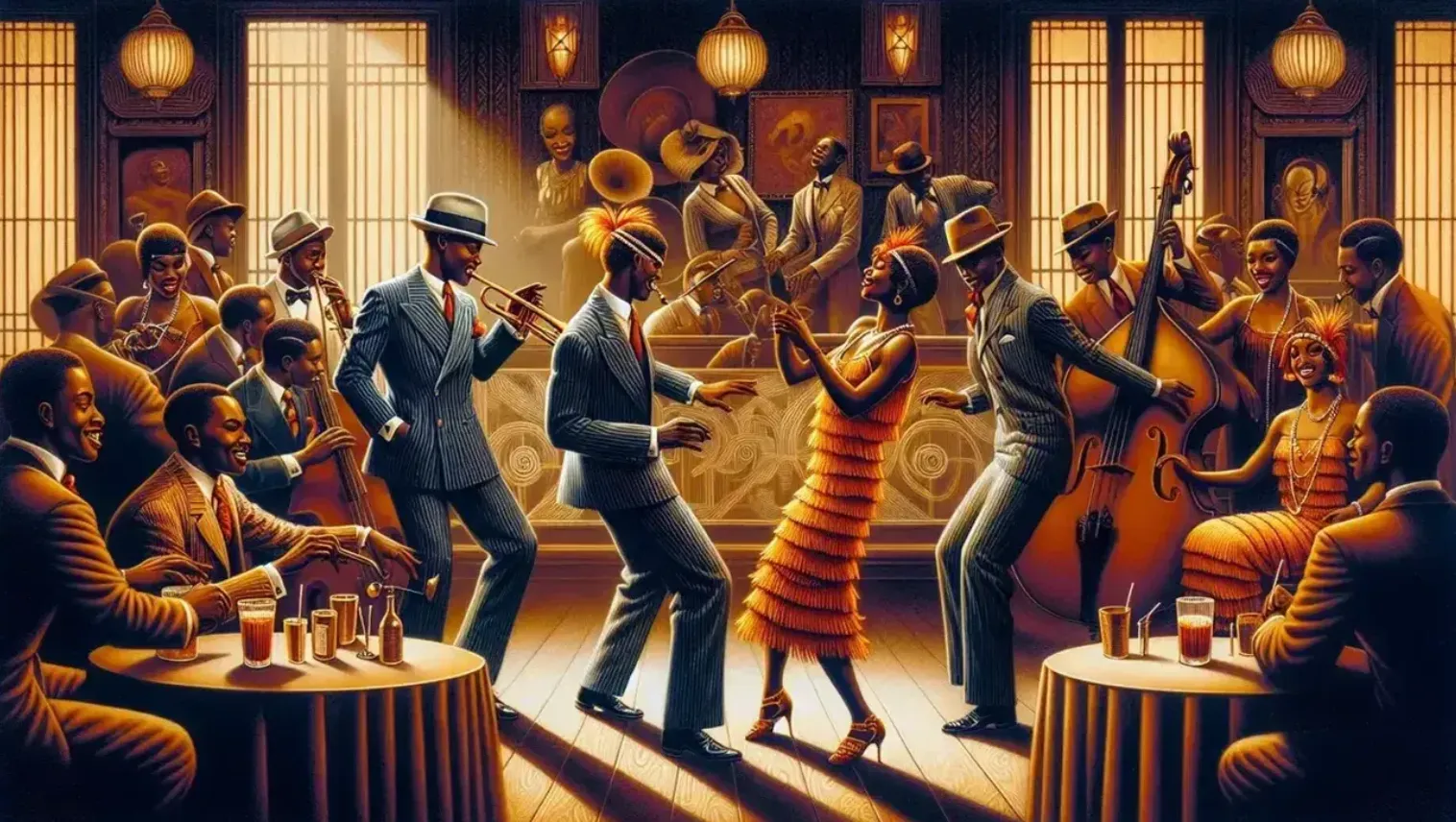
Harlem, a neighbourhood in upper Manhattan, stands as one of the most important cultural landmarks in American history. In the early decades of the 20th century, it was the epicentre of the Harlem Renaissance, a dazzling era of art, literature, political thought, and, above all, music. At the heart of this creative explosion was jazz, a genre that grew from African American traditions of blues, ragtime, and gospel and blossomed into a worldwide phenomenon.
The Harlem jazz movement was far more than entertainment. It was a declaration of identity and resilience, similar to what the cricket pitch length in feet represents. It gave voice to a community seeking equality, dignity, and recognition in a segregated America. Today, nearly a century later, the influence of Harlem’s jazz scene continues to reverberate across genres, inspiring contemporary artists and shaping the very sound of modern music.
The Birth of a Cultural Powerhouse
- From the Great Migration to the Harlem Renaissance
The seeds of Harlem jazz were planted during the Great Migration (1910–1930), when millions of African Americans left the racially oppressive South in search of economic opportunity and greater personal freedom in the North. Harlem, with its relatively affordable housing and growing Black middle class, became a magnet for writers, thinkers, painters, and musicians.
By the 1920s, Harlem had transformed into a thriving cultural capital. The neighbourhood buzzed with creativity and intellectual discourse. Writers like Langston Hughes and Zora Neale Hurston chronicled the Black experience in poetry and prose, while painters and sculptors explored themes of heritage and identity.
- Legendary Venues
Central to Harlem’s jazz boom were its clubs and ballrooms. The Cotton Club, though notorious for its whites-only audience policy, was home to the sophisticated sounds of Duke Ellington’s orchestra. The Savoy Ballroom broke racial barriers by welcoming integrated crowds and hosting legendary dance battles fueled by swing music.
Innovators Who Shaped the Sound
Harlem’s jazz scene was populated by extraordinary talents whose contributions redefined music. Their legacy can be heard in every jazz riff, hip-hop beat, and neo-soul groove of today.
- Duke Ellington: The Architect of Sophistication
No figure looms larger than Edward Kennedy “Duke” Ellington. A gifted composer and bandleader, Ellington brought orchestral elegance to jazz, creating complex arrangements that elevated the genre to concert-hall status. His residency at the Cotton Club made him a national sensation, and classics like “Mood Indigo” and “It Don’t Mean a Thing (If It Ain’t Got That Swing)” remain standards nearly a century later.
- Louis Armstrong: The Voice of Individual Expression
Though born in New Orleans, Louis Armstrong became a central figure in Harlem’s jazz story. His groundbreaking trumpet solos introduced the concept of individual improvisation, shifting jazz from collective ensemble playing to a showcase for personal virtuosity. Armstrong’s gravelly voice and infectious charisma made him one of the first African American musicians to achieve mainstream stardom.
- Bessie Smith and Billie Holiday: Queens of Emotion
The blues met jazz in the powerful voices of Bessie Smith and Billie Holiday. Smith, known as the “Empress of the Blues,” infused her performances with raw emotion, bridging the gap between rural blues traditions and urban jazz sophistication. Holiday, with her delicate phrasing and haunting delivery, transformed songs into deeply personal narratives, influencing generations of vocalists from Frank Sinatra to Amy Winehouse.
Preserving the Legacy for Future Generations
While Harlem has changed dramatically since the Jazz Age, the neighbourhood remains a living monument to its musical past. Landmarks like the Apollo Theatre continue to host world-class performances, while the National Jazz Museum in Harlem educates visitors about the genre’s history through exhibits, concerts, and interactive programs.
- Education and Community
Music education programs, both local and national, ensure that jazz remains accessible to young musicians. Initiatives such as Jazzmobile provide free concerts and workshops, fostering the next generation of performers and listeners. Public schools and community centres across Harlem host jam sessions and masterclasses that echo the informal gatherings of the 1920s.
- Digital Preservation
The digital age has made Harlem jazz more accessible than ever. Streaming services host extensive archives of recordings, while documentaries and online lectures bring the stories of jazz pioneers to global audiences. Social media platforms allow modern artists to collaborate across continents, continuing Harlem’s tradition of cross-cultural exchange.
Conclusion
The story of Harlem jazz is more than a chapter in music history; it is an ongoing conversation between past and present. Born from the struggles and aspirations of a community determined to define itself, Harlem jazz transformed American music and culture forever. Its fingerprints are everywhere, from the intricate flows of hip-hop to the lush harmonies of neo-soul, from underground jam sessions to arena concerts. Each trumpet solo, each sampled riff, each soulful vocal run carries with it the spirit of Harlem’s golden age.