

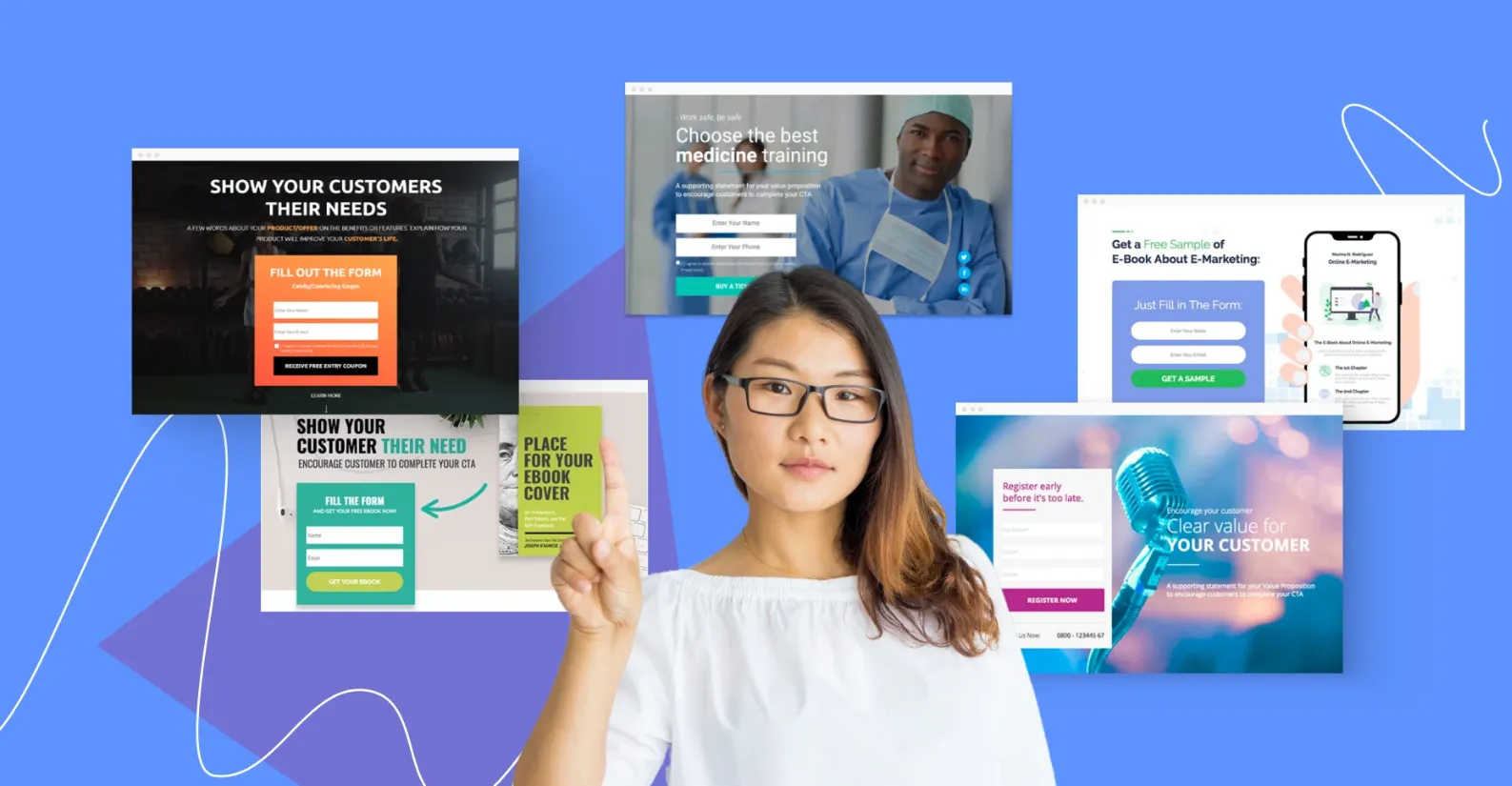
Landing pages are the first point of contact for many online shoppers, and personalization can dramatically increase their effectiveness. Personalized landing pages tailor content, offers, and visuals to individual visitor preferences, behaviors, or demographics, creating a more relevant and engaging experience.
When done correctly, personalization can boost engagement, reduce bounce rates, and drive higher conversions. From dynamic product recommendations to context-aware CTAs, brands are discovering innovative ways to connect with users instantly.
In this article, we explore 10 real-world examples of personalized landing pages, highlighting strategies, design elements, and AI-driven techniques that helped businesses achieve exceptional conversion results in 2025.
What Is a Personalized Landing Page?
A personalized landing page is a web page that adapts its content, layout, and messaging to the specific preferences, behavior, or context of an individual visitor. Unlike traditional landing pages that deliver the same static experience to everyone, personalized pages use data, such as browsing history, purchase behavior, referral source, geographic location, and device type, to display highly relevant content.
Key Features of Personalized Landing Pages:
- Dynamic Content: Images, copy, CTAs, and offers change based on user behavior.
- Behavioral Recommendations: Products or services are suggested according to past interactions.
- Context Awareness: Pages adjust based on location, device, or referral channel.
- Real-Time Adaptation: AI-driven personalization updates the page in real time as the user navigates.
Why It Matters: Personalized landing pages create a more relevant, engaging, and intuitive user experience, increasing the likelihood of conversion. Businesses using these pages report higher engagement, lower bounce rates, and a significant lift in sales.
How Personalized Landing Pages Drive Higher Conversions
Personalization transforms standard landing pages into dynamic, user-centric experiences that respond to individual behavior, preferences, and context. By aligning messaging, visuals, and offers with what visitors are most likely to respond to, brands can guide shoppers through the funnel more effectively.
In 2025, AI-powered tools enable real-time adaptation of landing pages based on factors like location, browsing history, device type, and referral source.
Below are 10 real-world examples of personalized landing pages that significantly increased conversions, demonstrating strategies that can inspire your own campaigns.
1. Geo-Targeted Product Recommendations
Some brands increased conversions by tailoring landing page content to the visitor’s location.
Key Strategies:
- Display region-specific promotions or seasonal items
- Highlight nearby store availability or local shipping options
- Customize visuals and language to match local culture
Why it works: Geographic personalization creates relevance instantly. Visitors see offers that match their environment, reducing decision friction.
2. Returning Visitor Recognition
Landing pages that recognize repeat visitors create a sense of familiarity and trust.
Strategies:
- Greet returning visitors by name or show previously viewed items
- Highlight items left in cart or wishlist
- Offer personalized recommendations based on past browsing
Recognizing returning visitors signals that the brand understands their interests, increasing the likelihood of conversion.
3. Behavioral Triggered Landing Pages
Some pages adapt dynamically based on on-site behavior.
Strategies:
- Show product categories browsed most frequently
- Offer incentives for high-intent users (e.g., limited-time discounts)
- Adjust content if the visitor spends significant time on a particular product
Behavioral triggers anticipate customer needs in real time, making the experience feel seamless. Shoppers guided by these adaptive pages are more likely to complete purchases and engage further with the brand.
4. Segmentation by Device and Platform
Optimizing landing pages for specific devices improves usability and conversions.
Key Benefits:
- Mobile users see streamlined pages with touch-friendly CTAs
- Desktop users get expanded visuals and detailed product information
- Different messaging can be applied based on platform (iOS vs Android)
Device-aware personalization ensures that content aligns with user expectations, reducing bounce rates and increasing engagement across multiple platforms.
5. Personalized Discounts and Promotions
Dynamic offers tailored to individual behavior significantly increase conversions.
Strategies:
- Offer discounts for first-time visitors or high-value users
- Promote products based on past purchases or abandoned carts
- Highlight loyalty rewards or special membership perks
Personalized promotions create urgency and relevance simultaneously.
6. AI-Powered Content Recommendations
AI can tailor page content to match visitor interests and predicted behavior.
Strategies:
- Recommend related blog posts or product guides
- Adjust images, copy, and CTAs in real time
- Use predictive analytics to showcase products likely to convert
By presenting highly relevant content, visitors feel understood, increasing engagement and reducing bounce rates.
7. Referral-Based Personalization
Visitors arriving via referral campaigns respond well to tailored landing pages.
Strategies:
- Highlight products or offers mentioned in referral content
- Customize messaging to match referral source context
- Include incentives tied to the referral, such as discounts or free trials
Referral-aware pages create continuity from the user’s prior interaction, improving trust and conversion likelihood.
8. Personalized Video and Interactive Content
Engaging multimedia can drive higher engagement when personalized.
Key Benefits:
- Show videos highlighting products related to previous behavior
- Use interactive quizzes to recommend specific products
- Adjust call-to-action based on user interaction patterns
Interactive and personalized content keeps visitors on the page longer, increasing the probability of conversion and providing richer behavioral data for further personalization.
9. Location + Event-Based Personalization
Landing pages that combine geographic and temporal triggers boost relevance.
Strategies:
- Display promotions around local events or holidays
- Highlight seasonal or weather-specific products
- Customize banners and copy to align with visitor context
This approach enhances the user experience by delivering offers aligned with real-world context, making users more likely to take immediate action.
10. Predictive Upselling and Cross-Selling
AI predicts which additional products a visitor may want, enhancing the landing page experience.
Strategies:
- Suggest complementary items for products already in the cart
- Highlight “frequently bought together” products dynamically
- Personalize offers based on predicted purchase intent
Predictive upselling reduces friction and increases order value.
Conclusion
Personalized landing pages are critical for driving engagement and conversions in 2025. By leveraging geo-targeting, behavioral triggers, AI-powered recommendations, device-based personalization, and predictive upselling, brands can create landing pages that feel uniquely tailored to each visitor. These strategies increase relevance, reduce friction, and guide users toward purchase with greater efficiency.
Start creating personalized landing pages that convert to implement these proven techniques in your own campaigns. By delivering dynamic, context-aware experiences, businesses can boost conversion rates, increase customer satisfaction, and gain a competitive advantage in the crowded eCommerce.