

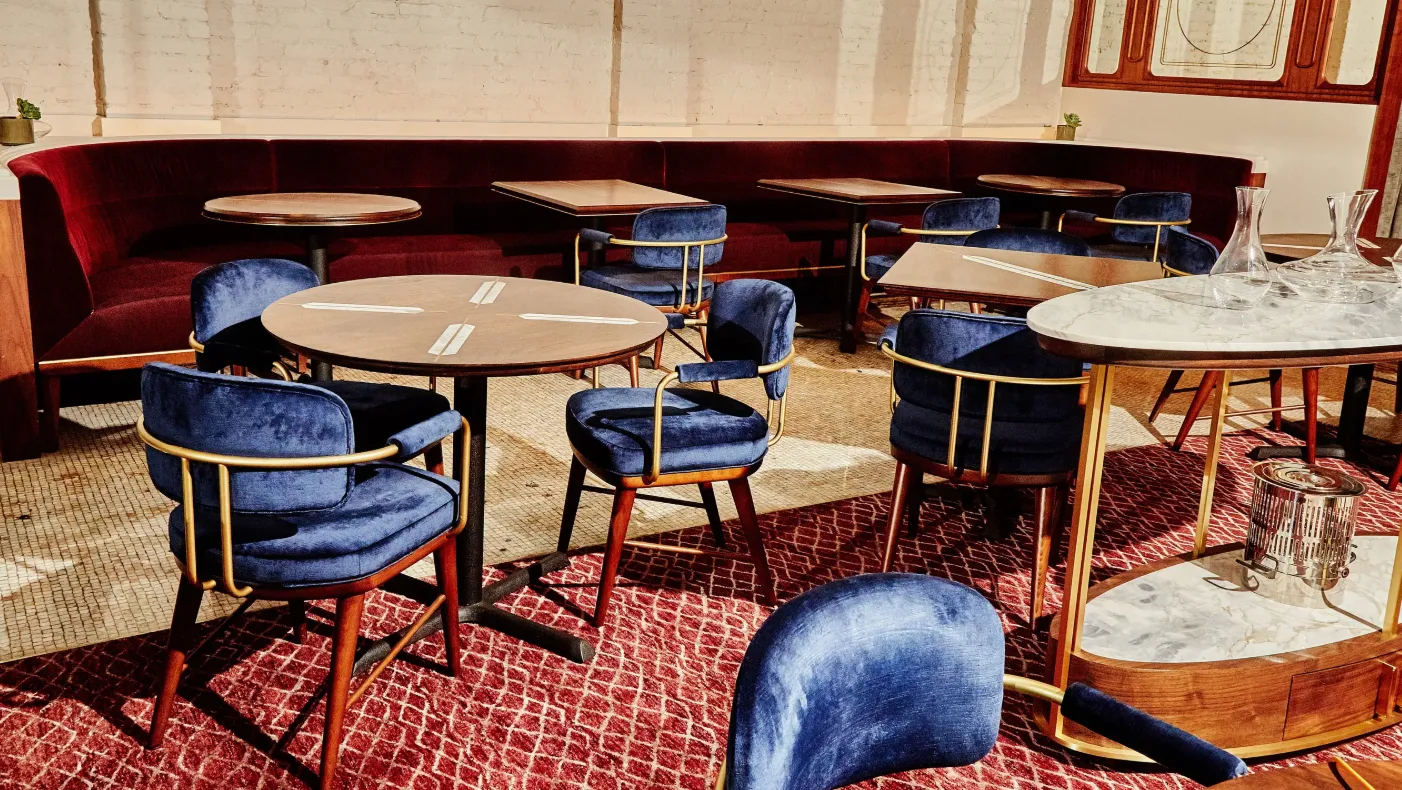
Dining is never just about food. It is about posture, proximity, ritual, and the unspoken rules that shape how people gather around a table. Across the United States and around the world, restaurant seating quietly conveys values shaped over centuries. The height of a chair, the presence of arms, the firmness of the cushion, and even the spacing between seats can reveal whether a culture prioritizes formality, family closeness, speed, or ceremony.
In commercial spaces, restaurant chairs are more than practical furniture. They become cultural translators. Designers and operators who understand this connection can create dining rooms that feel authentic rather than staged. In a global restaurant industry valued at over one trillion dollars annually, subtle design decisions often determine whether guests feel at home or out of place.
The Height of the Seat and the Meaning of the Meal
Seat height influences how long people stay and how they experience the meal. In many Western dining traditions, standard restaurant chairs measure about 18 inches from the floor to the seat, and tables are approximately 30 inches high. This proportion supports upright posture and encourages structured courses, conversation, and moderate pacing.
In contrast, cultures with low table traditions reflect a different philosophy. Traditional Japanese dining historically involved floor seating on tatami mats, encouraging closeness to the ground and a more grounded physical experience. Even when modern restaurants introduce elevated chairs, the influence of minimalism and spatial respect remains visible in restrained designs.
Across Mediterranean regions, dining is often a long social ritual. Chairs are built for lingering. Slightly curved backs, supportive seats, and stable wooden frames encourage guests to relax for extended meals that can last several hours.
- Standard Western restaurant seat height averages 17 to 19 inches.
- Bar height seating in American venues typically rises to 30 inches or more.
- Floor level dining traditions remain central in parts of East Asia.
Each variation reflects not just ergonomics, but cultural rhythm.
Back Support, Comfort, and Hospitality Expectations
The structure of a chair’s back communicates how a culture views hospitality. High-back chairs, often seen in formal European dining rooms, exude elegance and stability. They subtly signal that the meal is an occasion, not a quick stop.
In casual American diners and cafés, mid-back or open-back chairs dominate. These encourage approachability and flexibility. Upholstered backs add warmth, especially in family-oriented spaces where comfort encourages repeat visits.
Contrast this with Scandinavian-inspired restaurants. Minimal backs, clean lines, and light wood tones reflect values of simplicity and functionality. Guests are supported, yet not enveloped. The design invites focus on food and company rather than luxury.
Commercial operators often select back height strategically:
- High backs for fine dining and premium concepts.
- Mid backs for balanced comfort and versatility.
- Low-back or backless stools for speed-focused environments.
The chair becomes a silent ambassador of the dining philosophy.
Materials as Cultural Storytelling
Materials carry powerful cultural signals. Solid hardwood chairs evoke tradition, craftsmanship, and permanence. In American steakhouses or Southern comfort restaurants, dark wood frames suggest heritage and reliability.
Metal chairs, especially in industrial settings, reflect urban dining trends shaped by adaptive reuse and modern aesthetics. Exposed steel frames and visible welds communicate durability and contemporary style, often associated with city life.
Woven elements such as rattan or cane reference tropical climates and colonial influences. In coastal restaurants, these materials suggest openness and connection to nature.
Globally, materials often tie back to local resources:
- Oak and maple in North American dining rooms.
- Beech and walnut in Central European establishments.
- Bamboo and teak in Southeast Asian restaurants.
Furniture choices can reinforce authenticity, particularly when restaurants highlight regional cuisine.
Spacing, Proximity, and Social Norms
How chairs are arranged reveals deeper social expectations. In parts of Southern Europe and the Middle East, tables may be positioned closer together, encouraging lively interaction and a sense of communal energy.
In contrast, many upscale American restaurants emphasize generous spacing. Personal space reflects cultural norms around privacy and comfort. Wider aisles and deliberate separation contribute to a sense ofexclusivity.
Communal tables with closely placed chairs are increasingly popular in urban environments. This design draws inspiration from historical banquet traditions, where shared space fostered connection and storytelling.
The arrangement of chairs influences acoustics, service efficiency, and even perceived food quality. Research in hospitality design suggests that diners who feel comfortable in their surroundings are more likely to extend their stay and increase their spending.
Arms, Movement, and Formality
Chairs with arms often signal formality. They occupy more space and suggest a slower, more deliberate dining pace. In banquet halls and classic European restaurants, armchairs are common at head positions or private tables.
Armless chairs provide flexibility. They allow faster resets and accommodate varying body sizes. Casual eateries favor them because they support higher table turnover without sacrificing comfort.
Swivel features and mobility also reflect cultural shifts. Modern American hospitality spaces increasingly incorporate movement-friendly seating to accommodate dynamic social interactions and flexible layouts.
From a practical perspective:
- Armchairs often require 3 to 4 inches more lateral clearance.
- Armless chairs improve seating capacity in compact urban locations.
- Flexible seating increases operational efficiency during peak hours.
Function and tradition merge in every design choice.
Upholstery, Texture, and Emotional Tone
The feel of a seat influences emotional perception. Leather or vinyl upholstery conveys luxury and durability. In American steakhouses and hotel dining rooms, tufted upholstery reinforces a sense of permanence and prestige.
Fabric upholstery introduces softness and warmth. Family restaurants often use stain-resistant fabrics to balance coziness with practicality.
Hard-seated wooden chairs, common in many traditional European cafés, encourage shorter dining durations. They are comfortable enough for conversation, yet structured enough to prevent excessive lingering during busy hours.
Texture, color, and cushioning depth shape emotional response. A heavily padded chair invites relaxation. A firm seat supports focus and attentiveness.
Globalization and Hybrid Dining Identities
Modern restaurants frequently blend cultural influences. A sushi restaurant in New York might combine minimalist wooden chairs with Western height tables. An Italian concept in California may feature rustic wooden chairs alongside contemporary metal accents.
Global travel and social media have accelerated cross-cultural design. Guests now recognize and expect authenticity. At the same time, operators must balance tradition with American safety standards and comfort expectations.
In the United States alone, more than one million restaurant locations compete for customer loyalty. Seating design becomes a competitive differentiator. A culturally aligned chair can strengthen brand storytelling and deepen emotional connection.
When Furniture Becomes Cultural Memory
People often remember how a restaurant made them feel more than the exact details of the décor. Still, the chair plays a central role in shaping that memory. It supports the body during celebration, negotiation, romance, or routine meals.
Dining traditions evolve, but seating remains the anchor of the experience. From low communal arrangements that emphasize unity to high-backed formal chairs that elevate ceremony, every design choice reflects inherited values.
As global dining becomes increasingly interconnected, restaurant chairs remain grounded in cultural identity. They translate history into physical form. They guide posture, influence pace, and shape interaction.
Ultimately, restaurant chairs are not neutral objects. They embody social codes, aesthetic priorities, and economic realities. When thoughtfully selected, they do more than fill space. They tell a story about who we are and how we gather.
In a world where dining out is both an everyday habit and a special ritual, quiet seating reinforces a sense of belonging. The right chair respects tradition while embracing modern comfort. It connects past and present, ensuring that cultural dining customs continue to live on in every shared meal.