

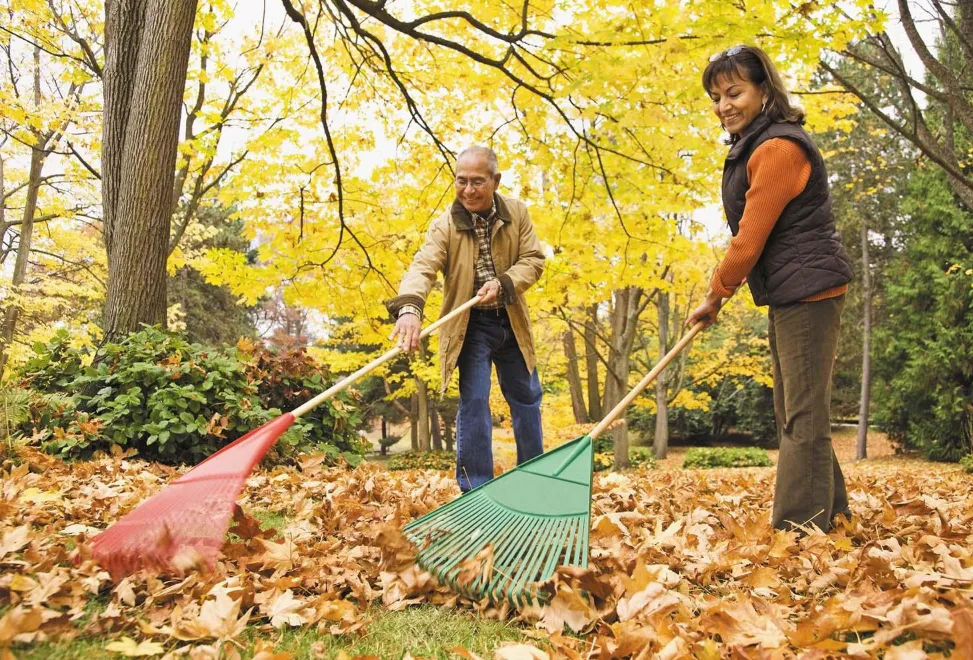
The weekend should be a time for relaxation, not a second job. Yet, for many homeowners, Saturday morning marks the beginning of a grueling two-day shift of mowing, weeding, and cleaning. The desire for a pristine landscape often conflicts with the need for rest. Fortunately, maintaining a beautiful yard does not require endless labor. By adopting efficient strategies, leveraging modern technology, and shifting your mindset from reactive to proactive care, you can drastically reduce the time spent on chores. Here is how to simplify your routine and reclaim your weekends.
Planning Your Attack Strategy
The most common mistake homeowners make is heading out into the yard without a plan. Tackling tasks randomly often leads to inefficiency, such as retracing steps or dirtying areas that were just cleaned. To simplify your weekend work, you need a strategic approach that prioritizes flow and logic.
The Power of the Schedule
Rather than trying to do everything every weekend, break your maintenance into a rotating schedule. Some tasks, like mowing, might need weekly attention during the growing season, while others, like hedging or deep weeding, only need to be done once a month. Create a calendar that distributes these less frequent tasks evenly. This prevents the overwhelming feeling of having an entire yard that demands immediate attention all at once. By focusing on just one major project alongside your weekly maintenance, you keep the workload manageable and the finish line in sight.
Grouping Similar Tasks
Efficiency experts often talk about batching, and this concept applies perfectly to yard work. Grouping similar tasks reduces the time spent switching tools and mental modes. For example, do all your edging, trimming, and pruning before you mow. This allows the mower to mulch up the clippings you have dropped on the lawn, saving you the step of raking them up later. Similarly, handle all water-related tasks, such as cleaning birdbaths and checking hoses, in one circuit. This streamlined approach minimizes wasted movement and keeps your momentum high.
Automating the Heavy Lifting
We live in an era where technology can handle the most repetitive and physically demanding aspects of home maintenance. Integrating automation into your backyard is the single most effective way to reduce your active labor hours.
Smart Watering Solutions
Hand-watering is arguably the biggest time sink in the garden. It requires you to be physically present, often for hours, dragging hoses and guessing at soil moisture levels. Upgrading to an intelligent irrigation system eliminates this chore entirely. Unlike traditional timers that run regardless of the weather, smart controllers use Wi-Fi to access local weather data. They adjust watering schedules automatically, skipping days when it rains or increasing hydration during heatwaves. This ensures your plants get exactly what they need without you lifting a finger, and it prevents the overwatering that can lead to muddy messes and plant disease.
Robotic Cleaning Assistants
If you own a swimming pool, you know that keeping it clean is a constant battle against nature. Leaves, pollen, and insects settle on the water surface and sink to the bottom daily. Manually vacuuming a pool can take hours of your weekend, leaving you tired before you have even had a chance to swim. The solution is to deploy the best pool cleaner available for your specific pool type. Robotic cleaners operate independently, scrubbing the floors and walls while filtering out debris. You can run them while you sleep or while you are at work, ensuring that when the weekend arrives, the pool is sparkling and ready for enjoyment, not maintenance.
Mastering Lawn Care Efficiency
For many, the lawn is the centerpiece of the yard, but it is also the most demanding. Achieving that golf-course look often feels like it requires professional intervention, but simple changes in how you mow can make a significant difference in both appearance and effort.
The Art of Mulching
Many homeowners believe that bagging grass clippings is necessary for a tidy lawn. However, bagging adds significant time to the mowing process, forcing you to stop frequently to empty the bag and then dispose of the heavy waste. A simpler and healthier alternative is mulching. Modern mowers are designed to chop clippings into fine particles that fall back into the turf. These clippings decompose quickly, acting as a natural fertilizer that returns nitrogen and moisture to the soil. This process feeds your lawn as you mow, reducing the need for chemical fertilizers and eliminating the chore of waste disposal.
Proper Mowing Heights
Cutting the grass too short is a common error that creates more work in the long run. Scalped lawns are stressed, thirsty, and prone to weed infestations. By raising your mower blade and cutting the grass at a higher setting, you shade the soil, which reduces water evaporation and prevents weed seeds from germinating. Taller grass also develops deeper roots, making it more resilient to drought. This simple adjustment means you spend less time watering and weeding, and the lawn stays greener with less effort.
Taming the Garden Beds
Garden beds add color and texture to the yard, but they can quickly become overrun with weeds if not managed correctly. The key to low-maintenance gardening is prevention rather than reaction.
Weed Control Tactics
Spending your Saturday on your hands and knees pulling weeds is nobody’s idea of fun. To minimize this, apply a thick layer of mulch to all your garden beds. Mulch blocks sunlight from reaching the soil, preventing weed seeds from sprouting. It also retains soil moisture, reducing the need for watering. For the few weeds that do make it through, tackle them early when they are small and easy to pull, rather than waiting for them to establish deep roots.
Native Plant Selection
The plants you choose dictate how much work your garden requires. Exotic species often need specific soil conditions, fertilizers, and extra water to survive. Native plants, on the other hand, have evolved to thrive in your local climate. They are naturally resistant to local pests and diseases, meaning you can skip the chemical treatments and fussing. By replacing high-maintenance ornamentals with resilient native species, you create a garden that largely takes care of itself.
Maintaining Hardscapes and Tools
A yard is not just plants; it is also the patios, decks, and tools that support outdoor living. Keeping these elements in good condition prevents small problems from becoming big, weekend-ruining projects.
Organizing Equipment
Nothing wastes time like searching for a missing trowel or dealing with a tangled extension cord. Dedicate a specific space in your garage or shed for yard tools and keep it organized. storage racks, pegboards, and clear bins make it easy to grab what you need and get to work immediately. Cleaning your tools after each use—wiping down blades and removing dirt—prevents rust and ensures they are ready for the next job.
Cleaning Patios and Decks
Hard surfaces can accumulate dirt, algae, and moss, making them slippery and unsightly. Regular sweeping prevents debris from settling into crevices and causing stains. For a deeper clean without the back-breaking scrubbing, use a pressure washer once or twice a season. Sealing your deck or patio pavers every few years protects them from the elements, reducing the frequency of deep cleaning required and extending the life of the materials.
Conclusion
Simplifying weekend yard work is about working smarter, not harder. It involves a combination of strategic planning, the right tools, and a willingness to let technology handle the heavy lifting. By automating irrigation and pool cleaning, adopting mulching, and prioritizing preventative measures like weed suppression, you can maintain a stunning landscape without sacrificing your downtime. Your yard should be a sanctuary where you recharge, not a source of endless obligation. With these simple adjustments, you can put down the rake and pick up a cold drink, confident that your outdoor space is in excellent hands.