

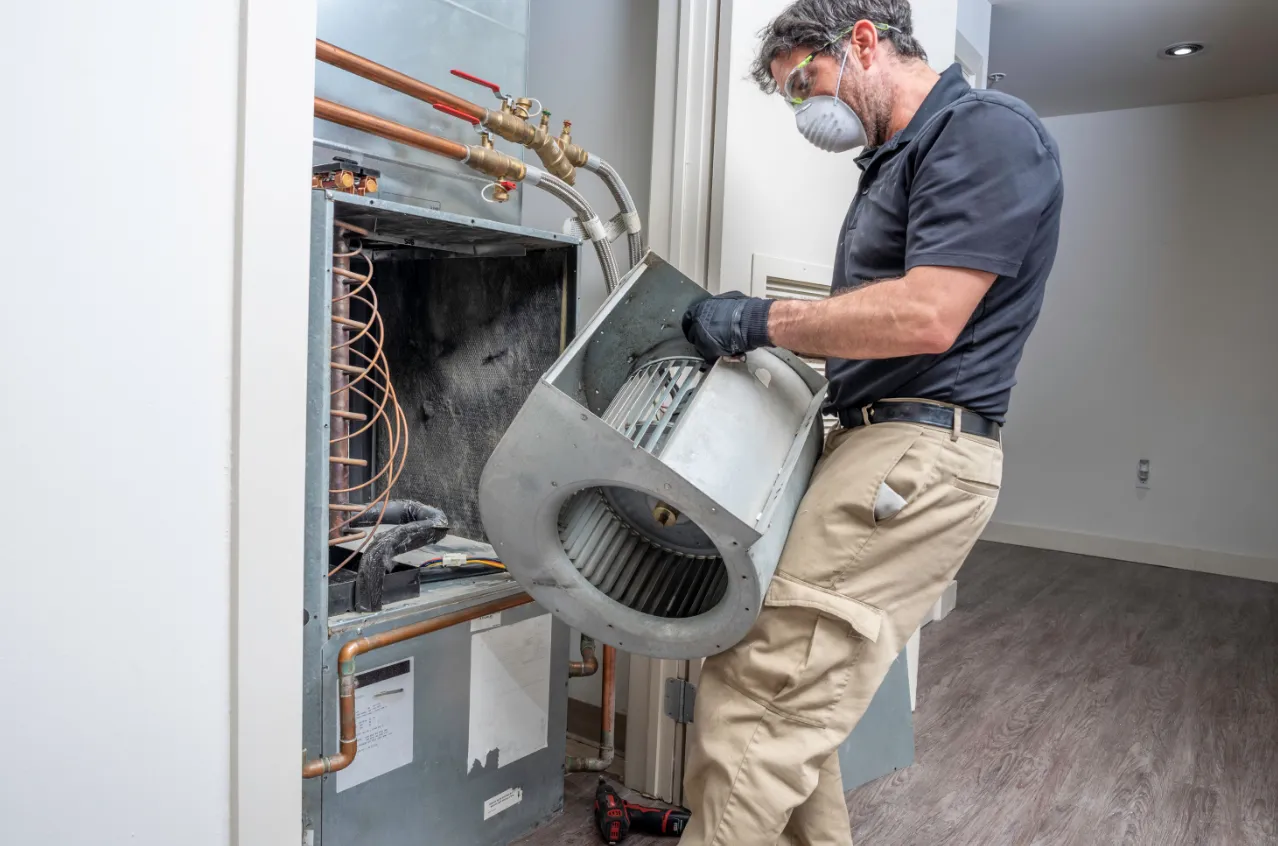
Allergy symptoms often worsen indoors, where airborne particles circulate repeatedly through living spaces. Dust, pollen, pet dander, and microscopic debris become trapped inside homes, especially when windows remain closed. Heating and cooling systems influence how these irritants move, settle, and reenter breathing zones. When an HVAC system is adjusted with air quality in mind, it can reduce exposure rather than spread triggers. Optimizing airflow, filtration, humidity, and maintenance helps create calmer indoor conditions. Thoughtful adjustments do not require dramatic changes or new equipment in every case. Understanding how the system supports cleaner air allows households to breathe more comfortably indoors.
Steps toward healthier indoor air
- How HVAC Airflow Influences Allergens
Airflow determines how allergens travel throughout a home. Every time an HVAC system cycles, it pulls air through return vents and redistributes it across rooms. If airflow is uneven or restricted, particles settle in certain areas and are repeatedly stirred back into the air. Properly balanced airflow ensures even circulation, preventing stagnant pockets where dust and allergens accumulate. Register placement, return vent sizing, and fan operation all influence this movement. When airflow is smooth and continuous, airborne particles are more likely to pass through filters rather than linger in living spaces. Optimizing airflow also helps maintain consistent temperatures, reducing the need for sudden system bursts that can disturb settled dust. Attention to airflow creates a steady indoor environment that supports allergy relief through quieter, more predictable air movement.
- Filtration Choices and Ongoing Care
Filters serve as the primary barrier between airborne allergens and indoor breathing spaces. Their effectiveness depends on proper selection and timely replacement. Filters that are too restrictive can limit airflow, while inadequate filters allow particles to pass through. Choosing a filter that balances airflow with particle capture supports both comfort and cleanliness. Regular replacement prevents clogged filters from releasing trapped debris back into the system. Homeowners often discover the importance of filtration when consulting an hvac contractor Carlsbad for recurring allergy complaints tied to system performance. Clean filters reduce circulating irritants and support smoother operation, making filtration one of the simplest yet most impactful adjustments for allergy relief.
- Humidity Balance and Respiratory Comfort
Humidity plays a quiet but powerful role in allergy comfort. Air that is too humid encourages dust mites and mold, while overly dry air irritates the nasal passages and skin. HVAC operation affects this balance through cooling cycles and consistent airflow. When moisture levels stay moderate, particles are less likely to linger in the air. Simple adjustments to run times and fan settings can support steadier conditions. Balanced humidity also improves sleep and reduces musty odors. Maintaining this equilibrium helps the HVAC system support allergy relief without frequent temperature fluctuations. Over time, comfort improves as indoor air feels calmer.
- Ductwork Condition and Air Cleanliness
Ductwork acts as the pathway for all conditioned air, making its condition critical for allergy management. Dust, debris, and residue can accumulate inside ducts, especially if seals are loose or insulation is damaged. When air passes through contaminated ducts, allergens are redistributed throughout the home. Sealing leaks prevents unfiltered air from entering and reduces buildup over time. Periodic inspection identifies areas where airflow may be compromised. Clean, well-sealed ducts deliver filtered air to living spaces without. Introducing additional contaminants. This behind-the-scenes improvement often leads to noticeable air quality benefits without altering daily routines or comfort settings.
- System Operation and Maintenance Habits
How an HVAC system is operated daily affects allergy relief as much as its components. Consistent fan operation encourages ongoing filtration, while longer, steadier cycles allow more air to pass through filters. Sudden on-and-off cycling can disturb settled particles, increasing exposure. Routine maintenance ensures coils, fans, and drains remain clean, supporting efficient moisture removal and airflow. Maintenance also helps identify small issues before they affect comfort or air quality. When systems operate smoothly, they contribute quietly to cleaner indoor air. These habits transform everyday HVAC use into a supportive tool for allergy management rather than a source of irritation.
Optimizing an HVAC system for allergy relief focuses on how air is filtered, moved, and balanced throughout the home. Small adjustments to maintenance routines, airflow patterns, and humidity control can significantly reduce everyday irritants. When systems operate smoothly, allergens are less likely to accumulate or circulate repeatedly. Homeowners benefit from steadier comfort and fewer symptom flare-ups. Rather than relying only on external treatments, improving indoor conditions addresses triggers at their source. With consistent care and thoughtful operation, an HVAC system becomes a reliable partner in maintaining healthier breathing spaces year-round. This approach supports daily living across all seasons.