

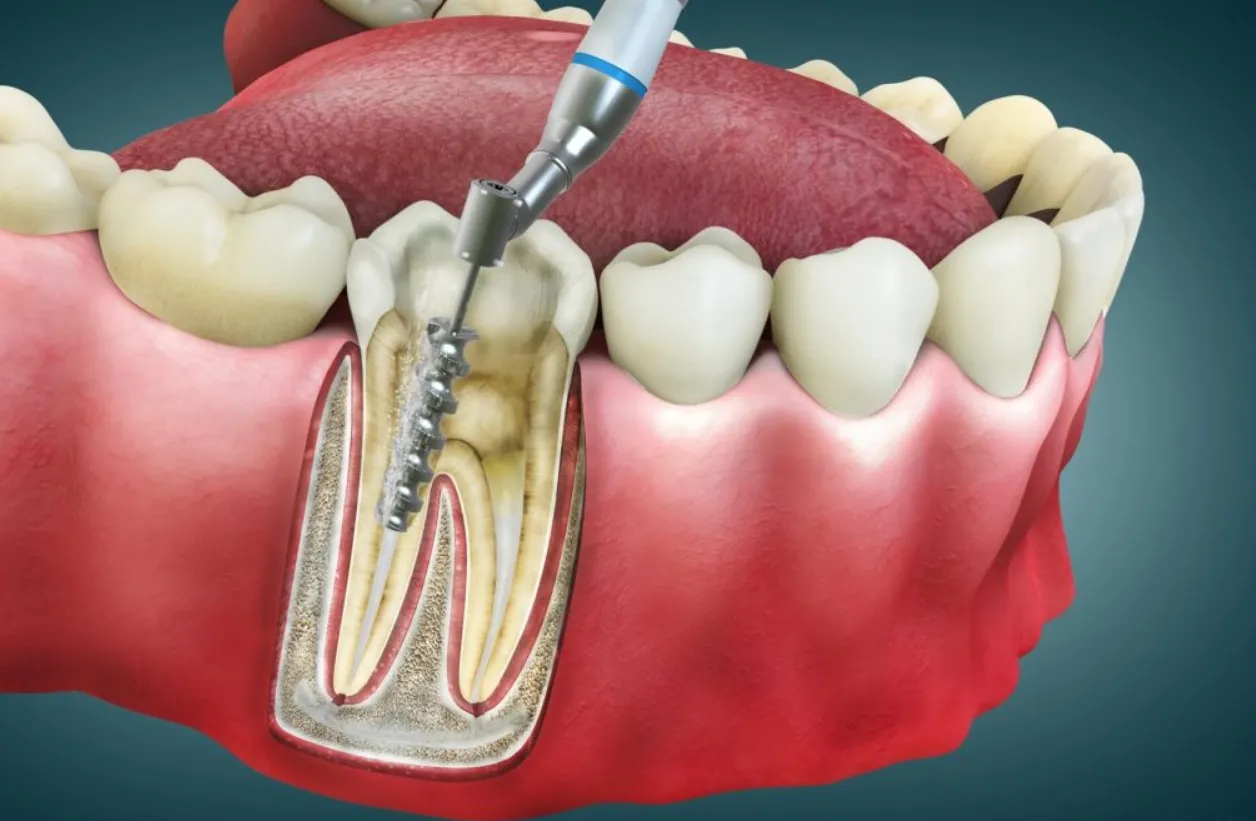
A root canal is a common dental procedure that addresses infection or damage inside a tooth. While the procedure saves the natural tooth and alleviates pain, the treated tooth often becomes more fragile. After a root canal, the tooth’s structural integrity is compromised because the internal pulp is removed, and it may lose moisture over time. To restore strength, functionality, and aesthetics, dentists often recommend placing a crown over the treated tooth. Crowns protect against fractures, allow normal chewing, and help maintain the overall alignment of surrounding teeth. We will explore why many teeth require this post-treatment restoration and how crowns contribute to long-term dental health. Understanding this process can help patients make informed decisions about their dental care and prevent future complications.
Why Crowns Are Recommended After a Root Canal
- Restoring Strength and Durability
Teeth that have undergone a root canal often lose a significant portion of their natural structure. Removing the pulp and cleaning and shaping the canals can make the tooth more brittle. Without a protective covering, these teeth are prone to cracks or fractures, which may ultimately require extraction. A crown acts as a shield, redistributing chewing forces evenly across the tooth and reducing the risk of structural failure. By encapsulating the entire visible portion of the tooth, a crown restores the tooth’s strength, allowing it to withstand the pressures of daily use. Patients seeking a reliable solution can consult a dentist near you in Stoney Creek, ON, to discuss crown placement and post-root canal care. The materials used in crowns, such as porcelain or ceramic, mimic the natural enamel while providing durability that untreated teeth cannot achieve after a root canal. This protective layer is crucial for maintaining oral function and preventing the need for further dental procedures.
- Preserving the Tooth’s Function
One of the primary reasons for placing a crown after a root canal is to ensure that the tooth continues to function properly. Chewing and biting create significant pressure on teeth, and a treated tooth without reinforcement may fail under these forces. Crowns restore the tooth to its original shape and size, allowing it to perform its role in chewing and speaking efficiently. This is especially important for molars and premolars, which bear the brunt of the chewing load. By maintaining proper function, crowns also prevent patients from altering their bite to avoid discomfort, which can lead to jaw pain, tooth wear, or other dental issues. Therefore, a crown not only protects the treated tooth but also contributes to overall oral health and comfort.
- Preventing Further Damage or Infection
A tooth that has undergone a root canal is no longer living, meaning it lacks the same natural defenses against decay. The treated tooth can still be vulnerable at the surface, particularly around the edges of any temporary fillings or the opening used to perform the root canal. Crowns provide a tight seal over the tooth, reducing the risk of bacteria entering and causing further decay or infection. This protective function is critical for long-term success, as untreated or inadequately restored teeth may develop complications that require additional procedures. A crown helps maintain the results of the root canal by keeping the tooth sealed and safe from external threats, contributing to long-term oral health and stability.
- Maintaining Aesthetic Appearance
Beyond function and strength, crowns play an essential role in the appearance of treated teeth. Teeth that have undergone a root canal may darken or discolor over time due to the removal of pulp tissue and the effects of previous infection or decay. Crowns restore a natural, uniform appearance, improving confidence and the smile’s visual appeal. Modern dental materials can match the color, translucency, and shape of surrounding teeth, making the restoration nearly indistinguishable from natural enamel. This aesthetic benefit is especially valuable for front teeth or other visible areas of the mouth, where appearance is a key consideration. By combining protection and aesthetics, crowns offer a comprehensive solution for post-root canal restoration.
- Long-Term Investment in Dental Health
Placing a crown after a root canal can be considered an investment in long-term dental health. While it may require an additional procedure, the benefits outweigh the risks of leaving the tooth untreated. A well-fitted crown can extend the life of the treated tooth by decades, preventing fractures, secondary infections, and other complications that could necessitate extraction or more extensive treatments like implants or bridges. Additionally, maintaining the treated tooth helps preserve natural tooth spacing, preventing misalignment or bite issues. Patients who receive crowns after root canals often experience fewer dental emergencies and improved overall oral health, making it a practical and effective solution.
Root canals save natural teeth, alleviate pain, and treat infections effectively, but the treated teeth often require additional protection. Crowns play a vital role in restoring strength, function, aesthetics, and long-term stability. By covering and reinforcing the treated tooth, crowns prevent fractures, preserve bite alignment, reduce the risk of infection, and maintain the natural appearance of the smile. Patients benefit from improved oral health, comfort, and confidence when crowns are placed following a root canal. Understanding the importance of post-treatment restoration encourages proactive care, ensuring that teeth remain healthy and functional for years to come. Crowns provide a practical, durable, and aesthetically pleasing solution that supports the success of root canal treatment while protecting overall dental health.