

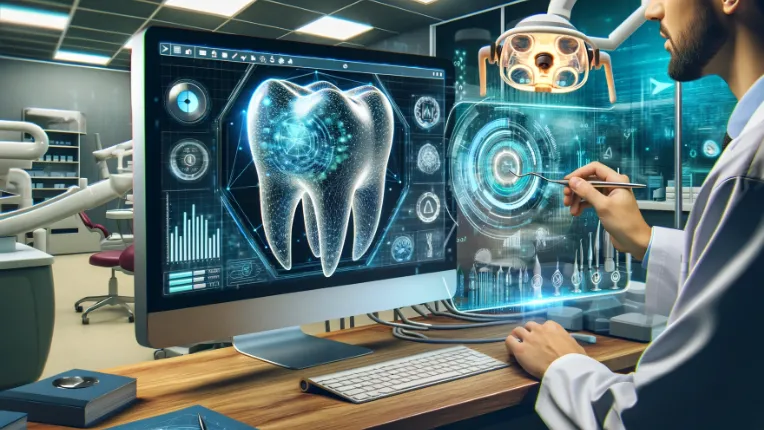
The Rise of Data in Modern Dentistry
In recent years, dentistry has evolved from a primarily hands-on profession into one that increasingly relies on technology and data. The emergence of digital recordkeeping, cloud-based management systems, and AI-driven tools has revolutionized how dental practices operate. At the heart of this transformation lies dental analytics software, a powerful innovation that enables clinics to turn patient and business data into actionable insights. Traditionally, dentists relied on paper files, intuition, and years of experience to manage patients and make operational decisions. However, as the industry has grown more competitive and patient expectations have risen, data-driven decision-making has become essential. Dental analytics software empowers practices to analyze everything from patient demographics and appointment trends to treatment outcomes and financial performance. This shift toward data intelligence helps dentists not only improve care quality but also enhance efficiency, profitability, and long-term growth.
Understanding What Dental Analytics Software Does
At its core, dental analytics software is designed to collect, organize, and analyze data from various aspects of a dental practice. It connects to practice management systems—such as those used for scheduling, billing, and patient records—and extracts key information to present it in clear, visual dashboards. These dashboards help dental teams understand complex information at a glance, allowing them to make informed decisions quickly. For example, analytics software can show how many patients missed appointments in the last month, which treatments are most profitable, or how hygiene recall rates compare to industry averages. The power of this technology lies in its ability to provide a holistic view of both clinical and business operations. For clinicians, analytics tools track patient outcomes, monitor treatment acceptance rates, and identify patterns that might influence care strategies. For administrative staff and practice owners, the same system can monitor revenue cycles, track marketing effectiveness, and identify opportunities to reduce overhead costs. The integration of these insights allows practices to operate more strategically—balancing patient satisfaction with operational efficiency.
Enhancing Patient Care Through Data
While much of the discussion around analytics focuses on profitability and performance, one of its greatest impacts is in improving patient outcomes. Dental analytics software enables dentists to identify trends in patient health and behavior that might otherwise go unnoticed. For instance, a dentist could use analytics to determine that patients who receive consistent hygiene reminders are less likely to develop gum disease. This insight could then shape how the practice communicates and schedules follow-ups. The software can also track diagnostic data, helping clinicians detect issues early and develop personalized treatment plans based on individual risk profiles. In larger group practices or dental service organizations (DSOs), analytics play a crucial role in maintaining consistency across multiple locations. By analyzing standardized data, these organizations can ensure that every patient receives the same level of quality care, regardless of which office they visit. Moreover, predictive analytics—a growing component of dental analytics software—uses historical data to forecast future needs. For example, it might predict when a patient is most likely to cancel an appointment or when equipment maintenance will be due. These predictive capabilities allow dental teams to act proactively rather than reactively, reducing inefficiencies and improving patient satisfaction.
Streamlining Business Operations
Beyond clinical applications, dental analytics software serves as a comprehensive business management tool. Running a dental practice requires balancing care delivery with administrative and financial demands, and this software bridges the gap between the two. It provides key performance indicators (KPIs) such as production per hour, collection ratios, new patient acquisition rates, and case acceptance percentages. With this data in hand, practice owners can identify strengths and weaknesses across their operations. For example, if analytics reveal that appointment cancellations peak on Mondays, the practice might adjust scheduling or implement automated reminders to reduce no-shows. Similarly, if certain procedures generate lower profit margins, the dentist can reevaluate pricing structures or supplier contracts. Many systems also allow benchmarking—comparing performance against industry standards or similar-sized practices. This helps practices set realistic goals and track progress toward them over time. In multi-location practices, analytics tools consolidate data from all branches, providing a unified view of financial and operational health. This makes it easier for leadership teams to standardize processes, optimize staffing, and allocate resources efficiently.
Integration and the Role of Artificial Intelligence
The true power of modern dental analytics software lies in its integration capabilities and the rise of artificial intelligence. When connected to other technologies such as electronic health records (EHR), digital imaging systems, and automated communication platforms, analytics software becomes a central hub for all practice data. Artificial intelligence enhances these systems by providing predictive modeling, pattern recognition, and automated recommendations. For instance, AI can analyze treatment history to identify patients who may be overdue for preventive care or those who have not completed recommended procedures. This data can then trigger automated reminders or personalized outreach messages. By combining analytics with AI-driven automation, practices can significantly reduce administrative burdens while maintaining consistent patient engagement. AI also enhances financial forecasting by identifying payment trends and predicting cash flow fluctuations. In the future, this integration is expected to expand even further, allowing dental practices to make smarter, faster, and more personalized decisions based on real-time data.
Overcoming Challenges in Adoption
While the benefits of dental analytics software are substantial, adoption requires a thoughtful approach. Some practices may initially struggle with data accuracy or staff resistance to change. To maximize effectiveness, it’s essential to ensure that all data entered into the practice management system is clean, consistent, and complete. Training is also critical—staff members must understand how to interpret and act on the information provided by the software. Many providers now offer onboarding programs and continuous support to help teams adapt smoothly. Another consideration is data security. Since dental analytics software deals with sensitive patient information, compliance with privacy laws such as HIPAA is mandatory. Leading platforms use encryption, secure cloud storage, and strict access controls to protect data integrity. Once these challenges are addressed, practices often find that the return on investment is substantial. By improving both operational efficiency and patient satisfaction, dental analytics software pays dividends in the long run.
A Data-Driven Future for Dentistry
The adoption of dental analytics software marks a pivotal step in the evolution of dentistry. As practices grow more complex and patient expectations rise, relying on intuition alone is no longer enough. Data-driven decision-making enables dental professionals to balance the art and science of care, combining compassion with measurable results. By leveraging analytics, practices gain a deeper understanding of their patients, their teams, and their business performance. The insights derived from these tools empower dentists to deliver better outcomes, streamline operations, and thrive in a competitive market.
Looking ahead, the continued advancement of analytics and AI will redefine what’s possible in dentistry. From predictive patient care to fully automated workflows, data will become the foundation of smarter, more personalized healthcare. In this future, dental analytics software will serve as both the compass and the engine—guiding decisions, driving growth, and ensuring that dental practices remain at the forefront of innovation and excellence.