

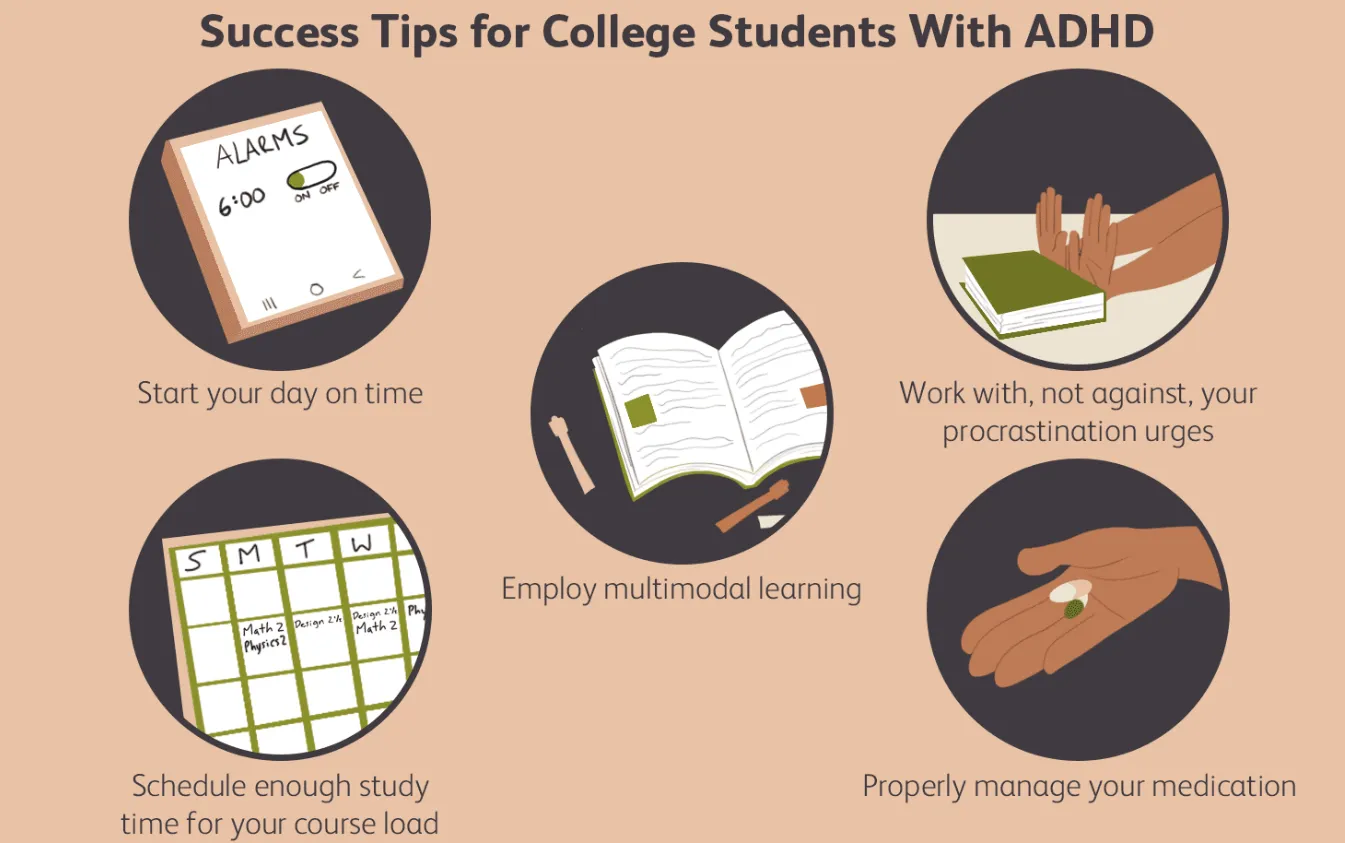
ADHD stands for Attention-Deficit/Hyperactivity Disorder, and although it is categorized as a neurodevelopmental condition with behavioral focuses, it impacts the mental health of both children and adults as well. Structuring a proper plan that includes medication, behavioral therapy, lifestyle changes, and support networks is crucial for managing this condition. An integrative plan that includes support from family and the person with the condition, as well as education about what is ADHD treatment, can help the patients cope and learn about their emotional and mental health balances.
What Is ADHD Treatment?
Having ADHD means constant and persistent distractions, making productivity and efficiency extremely difficult while building and maintaining daily functioning and self-care. ADHD individualized treatment consists of different but essential components that focus on the functional system.
Overview of ADHD and Its Impact
ADHD can influence all aspects of everyday life. Whether it is academically, professionally, or in relationships, the condition can influence the way in which you regulate and respond emotionally to stimuli. ADHD is not simply a condition of distractions. From a physiological standpoint, ADHD is a problem of how the brain controls and coordinates the functions of info processing, time management, and stimulus response. Engaging in everyday activities can be significantly challenged.
Children with ADHD have difficulty focusing in a classroom setting, and adults with ADHD may have difficulties organizing tasks and prioritizing them to meet deadlines. The frustrating and exhausting cycle of errors and inefficiencies may hurt a person’s self-efficacy and contribute to other emotional disorders, like anxiety and depression. For these reasons, knowing what is ADHD treatment becomes important. It’s more than just relieving symptoms; it’s a means to restore order and confidence to life, daily routines, and activities.
Over time, the benefits of early diagnosis and treatment become more pronounced. People with ADHD receive professional help and ADHD treatment plans and learn symptom management. As a result, they can thrive in different environments.
Common Symptoms of ADHD
The symptoms of ADHD differ from person to person. In general, the symptoms manifest differently in two broad categories: inattentive and hyperactive-impulsive. The inattentive symptoms consist of being easily distracted, making frequent careless mistakes, and poor organization of activities and tasks. Hyperactive-impulsive symptoms may include fidgeting, excessive talking, and acting without thinking.
Symptoms of ADHD during adulthood can be different from symptoms of ADHD during childhood. Adults can struggle with focusing during long meetings and conversations, forgetting important appointments, and having poor time management. This helps clinicians for ADHD treatment learn which symptoms are the most prominent for a patient and assist with the most appropriate treatment.
Symptoms can be distressing, but the ADHD patient can learn coping skills, focusing techniques, and impulse management through proper treatment.
Medication Options for ADHD Treatment
ADHD treatment can include the use of medications. Prescribing stimulant medications, such as amphetamine and methylphenidate, is common because the drugs help by raising levels of dopamine in the brain. This assists with focus and controlling impulses. If the side effects of stimulant medications are too severe, there are non-stimulant medications.
Medications are helpful, but there is no need to use medications as a cure for ADHD. Medications help with channeling energy so one can fully participate in therapy or complete tasks. When discussing ADHD treatment, clinicians express the importance of combining medications with behavioral and lifestyle changes to achieve the most success.
Regular check-ins with a healthcare provider guarantee patients receive a proper dosage and medication. Every individual reacts differently.
Behavioral Therapy Approaches
Behavioral therapy stands out as a pivotal component in treating ADHD. This form of therapy enables individuals to recognize and analyze their negative behaviors, understand their roots, and formulate effective replacement strategies. Cognitive Behavioral Therapy (CBT) is very useful in this scenario as it offers tools to help individuals manage time, organize their thoughts, and control impulsive behaviors.
Children and teenagers can benefit from family therapy as it improves communication and empathy among children. It strengthens the bond of support so that the individual does not feel that their struggles are isolating.
ADHD Treatment outcomes include the therapy tools needed to manage emotional responses and strengthen resilience. It drives towards positive and consistent behavior change to improve their quality of life.
Lifestyle Changes to Support ADHD Management
Proactive ADHD Treatment strategies include positive lifestyle changes. Regular exercises improve mood and concentration. A nutritious diet, sufficient and regular sleeping hours, and a consistent sleep schedule help improve one’s focus and emotional regulation.
Making use of planners, reminders, and routines is also helpful. Also, having a daily schedule or routine minimizes distractions. This also helps one focus on completing their jobs or tasks in an effective and orderly manner. While some people may feel restless, the use of mindfulness and relaxation strategies helps calm one down and focus in moments of difficulty.
Regarding what is ADHD treatment, lifestyle practices also play an important part besides medication or therapy approaches. ADHD treatment works and gives results with a whole mental and emotional wellness strategy.
The Role of Education and Support Systems
Support systems in ADHD treatment success are invaluable. The people in a person’s life, like parents, teachers, coworkers,s, and friends, can also help in building a positive and confident system. Flexible educational methods like adjustment of a distracting environment or extra time on a test help children with ADHD, and they can show competencies.
For grown-ups, the adjustments in the workplace, like changing the order of tasks, flexible hours, or even moving a task down the order of priorities, can also change the ADHD treatment. Outside of the workplace, community resources in the form of support groups or digital support communities can also help reduce ADHD related isolation.
Empowerment is an important component of what is ADHD treatment. In a well-structured empowerment program, patients learn to identify their potential, self-image, and confidence. Improved life outcomes, balance, and satisfaction are all achievable goals with the right support systems and networks in place.
Future Directions in ADHD Treatment Research
ADHD research has become increasingly multidisciplinary, with more advanced and diverse treatment approaches. Further study of the brain and genetics is shedding light on the development of ADHD and the varied expressions of its symptoms in people. This knowledge will help develop more effective, targeted, and individualized treatment options.
Other new approaches to treatment involve technology through digital therapy, tele-coaching, and neurofeedback. Interlinked activities and immediate feedback help users build self-control and concentration.
Genetic and environmental research is helping to understand current what is ADHD treatment and building for the future. Everyone with ADHD syndrome has symptoms, but the goal of therapy is to embrace and manage hyperactivity, potential distractions, and impulsivity. Focus will be on the range of creative and innovative activities associated with high ADHD.
Conclusion!!
Challenges do come with ADHD, but a person can become successful and fulfilled through a combination of health, therapy, and lifestyle strategies. ADHD treatment explains how patients and their families can take informed actions for their long-term wellness.
If you want supportive and quality ADHD treatment with compassion, Lonestar offers ADHD treatment for individuals to create focus, self-assurance, and emotional wellness through personalized attention and expert care.