

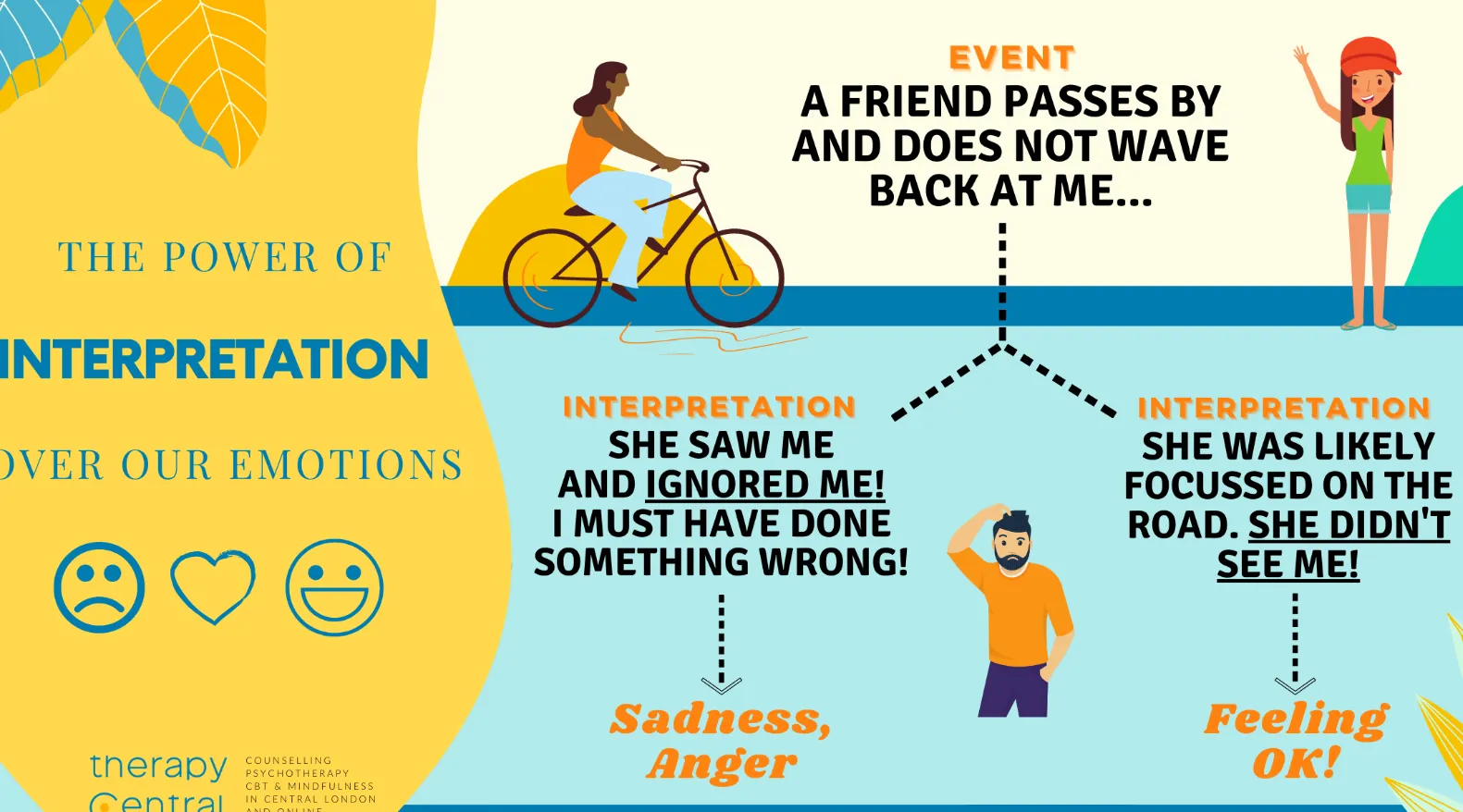
Almost everyone feels anxious once in a while, but some people need help with the amount of anxiety they face. A key part in the treatment of this anxiety is the use of Cognitive Behavioral Therapy, commonly known as CBT. CBT is a type of talk therapy that helps patients identify the negative thought patterns that keep anxiety alive. With the help of various CBT techniques, patients are able to reclaim their mental and emotional stability, thereby improving their overall functioning and quality of life.
The overall goal of CBT is to help patients regain a sense of control in their lives. CBT allows patients to face their fears and challenge negative thought patterns. Through practice, CBT brings a patient to a point where they do not feel controlled by their anxiety and can function in their daily lives.
The Role of Cognitive Restructuring
Cognitive restructuring is a core component of CBT for managing anxiety. It assists in spotting the irrational anxiety-provoking thoughts, then reframing them into more reasonable and rational alternatives. For instance, a person with a strong anxiety about failing might learn to reframe failing thoughts into, “I may not be perfect, but I can do my best and learn from the experience.”
This rethinking process is not instantaneous but is the result of practice. Eventually, this CBT approach will aid the person in focusing on, rather than accepting the anxious thoughts and objectively questioning them. The individual will realize that a good deal of their anxiety is actually perceptual and, likely, irrational. This insight will be instrumental in the decline of negative emotional impact.
Behavioral Activation in Anxiety Management
Behavioral activation involves the systematic increase of reasonably engaging activities that counter the withdrawal and avoidance behaviors common to anxiety. People with anxiety reinforce their fears and withdrawal behaviors when they avoid activities that have the potential to elicit anxiety. With the help of CBT, people will learn the anxiety behavioral activation techniques slowly, purposeful steps, and reclaim their lives. This might involve seeing friends, engaging in hobbies, or repeating daily activities that give them a sense of achievement. Starting to confront and enter anxiety-inducing activities in small, simple steps makes individuals realize that they really are capable of handling these tasks. This, in turn, builds their self-confidence and deters anxiety from controlling their actions.
Defeating anxiety is critically important to moving a person to a state of functioning. Helping build the self-esteem required to perform daily activities or pursue hobbies helps promote neural activity that, in turn, builds their self-esteem.
Using Exposure Therapy
Exposure Therapy allows people to confront and handle the activities that they would usually avoid systematically. This means that the anxiety emotions are not simply removed, but help the person lessen them to a manageable state. Exposure Therapy helps with anxiety disorders, including phobias, panic disorders, and social anxiety.
An example would be a person who has a fear of giving speeches. They would be taught to start with a small mirror exercise, then to small groups, and then to larger audiences. They are taught to understand that the activity is not as intimidating as they once thought.
As exposure therapy progresses, the brain learns to respond to fear in a different way, which reduces anxiety. People become more confident and tolerant of the challenges posed by anxiety. This confidence leads to improvement in the overall emotional state and the quality of life.
Mindfulness and CBT
Mindfulness practices have proven to be very helpful in CBT therapy. It involves being in the moment and not judging. Anxiety is worsened when a person is fixated on future fears, and Mindfulness helps in diverting attention to the present.
In CBT therapy, Mindfulness helps a person to detach and become an observer of their thoughts and emotions, which helps to create a distance from the anxiety. This helps to respond to a situation calmly instead of acting.
Mindfulness encourages practices of deep breathing, body scans, and grounding exercises that help in being centered and calm when challenges arise. Mindfulness in CBT increases self-awareness by helping the person to identify the triggers of anxiety. This awareness helps in addressing the triggers.
Why Thought Records Are Important
Another CBT tool for anxiety management is thought records. These records are logs documenting the thoughts, feelings, and behaviors associated with anxiety-producing situations. They reveal the patterns of a person’s thinking and how it affects their emotions.
When someone feels anxious, the thought record can help them write down the situation, automatically negative thoughts, how distressing it is, and then logically and evidentially confront it. With practice, the mind can be conditioned to think rationally and dismiss extreme emotions.
Unlike other CBT techniques, thought records benefit the user more. They capture and analyze abstract feelings, creating measurable progress, which is motivating.
Cognitive Distortions and How to Combat Them
Cognitive distortions are the thoughts we have automatically and irrationally associated with anxiety and other emotions. Catastrophizing, “everything will go wrong,” is one of the more common thinking patterns. Other distortions include “I’m either a success or a failure” for black-and-white thinking and “they must think I’m stupid” for mind reading.
CBT focuses on helping people find and change unhealthy patterns of thinking. An example of this might be thinking about a situation as simply a failure instead of seeing it as a chance to learn. Learning to think differently like this is important and empowering to someone in the midst of an anxious episode.
Being able to use this CBT technique shifts a person’s perception to be more rational. One of the most important skills learned in CBT is the ability to identify and rationalize cognitive distortions because it brings people positive change in their mental health.
The Importance of Setting Goals in CBT
Because it brings structure and motivation to the therapy process, goal setting is a key component of CBT. Goals help individuals track their progress when managing their anxiety. Rather than vague objectives like “feeling better,” CBT focuses on measurable targets like “reducing panic attacks from daily to weekly” or “practicing relaxation techniques every morning.”
Setting realistic goals helps a person to feel a sense of direction. In turn, this sense of direction helps reduce anxiety. Goals help the person to be more effective when tackling a challenge in smaller, manageable, and most importantly, less anxiety-provoking steps. The positive effect of accomplishing a goal helps to shift a person’s perception in the direction of the goal.
Goal setting integrates smoothly with other techniques in Cognitive Behavioral Therapy (CBT), building one therapy session upon another. Eventually, these goals shift from therapy goals to valuable life skills that help a person control and reduce their anxiety.
Conclusion and Next Steps
In no particular order, each technique used in therapy, like restructuring, behavioral activation, exposure therapy, mindfulness, thought records, and goal setting, allows a person to control their emotions and take charge of their anxiety. Together, these techniques help a person remove the barriers that keep anxiety locked and strengthen emotional resilience.
It’s important to remember that CBT techniques take a great deal of time and professional help. Developing new ideas and ways of coping with anxiety will bring a person the joy of relief that they’ve been seeking.
For a person ready to work with a professional, the work the staff at Mental Health Center of San Diego provides will quantify that care. They help clients with anxiety and long-term wellness using CBT.